









The LED full-color display has been dazzling since its birth, however, the traditional LED display h

The LED full-color display has been dazzling since its birth, however, the traditional LED display has been criticized by the market because of its cumbersome characteristics. Subsequently, major manufacturers have improved product technology, which prompted the birth of transparent screens.
With its high permeability and thin performance, the transparent screen has caused a certain impact on the traditional LED display market. After several years of development, the performance of the transparent screen is becoming more and more stable, and the application market is gradually forming, among which the commercial complex has become its main application field. So, how can the transparent LED display achieve better applications in the commercial complex?
Application of transparent screen in commercial complex
Glass curtain wall application
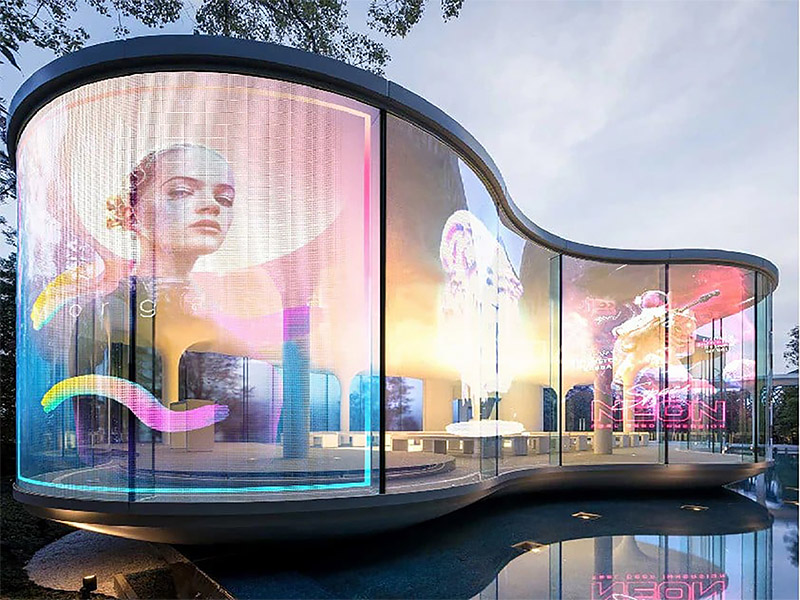
Glass curtain wall application is one of the most common application scenarios for transparent LED screens. With the increasing popularity of glass curtain walls in modern buildings, the application of this field has grown significantly. The structure of glass curtain wall is more complex, generally can be divided into point support type, component type and full glass type and other structural types. Before the glass curtain wall design is completed, it is the best time for transparent screen intervention. Through the preliminary planning of the glass curtain wall structure, the transparent screen and the glass curtain wall can achieve a better integration.
Transparent LED display has the characteristics of high permeability and green energy saving, and can achieve invisible installation when combined with glass curtain wall, which will not affect indoor lighting, nor interfere with the viewing line, but also achieve the effect of glass curtain wall lighting display. The transparent LED display is integrated into the vital and commercial display window in the building. From the perspective of the curtain wall new media, it takes the user experience as the leading role, cleverly integrates the brilliant brilliance into the architectural design concept, maintains the simplicity and purity of the building facade, and realizes the infinite continuation of the vitality of commercial display.
Indoor atrium applications
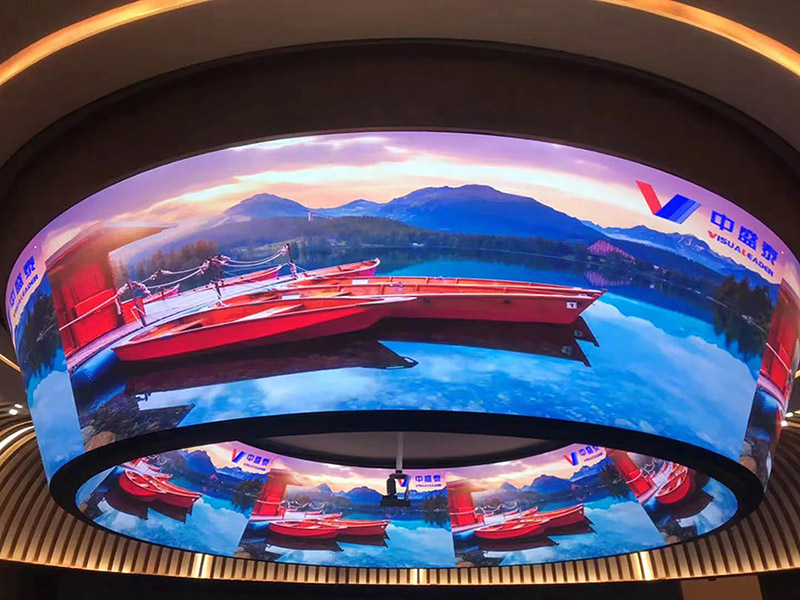
Indoor atrium application is a popular application in recent years. The transparent screen installed in the atrium location shows advanced artistic beauty, presenting a stylish, atmospheric and tasteful visual effect. Transparent led display is frequently used by the world's top designers in their works, become the finishing touch, effectively enhance the taste and style of the work.
The atrium hanging transparent screen is very prominent whether it is lit or extinguished, so it has higher requirements for beauty and design, pays more attention to the uniqueness of the shape, and is committed to creating a new label of space art screen display. It takes the environment and decorative arts as the core theme, comprehensive consideration of commercial buildings, commercial operations, advertising and other aspects, effectively shaping the corporate brand image, help commodity publicity, has become a new marketing promotion model.
Vitrine application
The application of glass window mainly refers to the transparent screen application on the large glass and floor glass in the window, and the application scenario is mainly concentrated in the brand chain stores, watch stores, jewelry stores, food and beverage stores. Due to the limitation of the size of the environment, the installation area of the transparent screen used in the glass window is usually small, and the pixel spacing is often higher in clarity.
At the same time, in this application environment, it is usually necessary to take into account the permeability, so the horizontal and vertical spacing of the transparent screen is often not equal. Transparent LED glass screen subverts the traditional glass window publicity model, transforms advertising from static to dynamic, and delivers high-definition visual advertising information to consumers, so that the store display can be swept away by consumers, thus greatly improving the store admission rate and transaction rate.